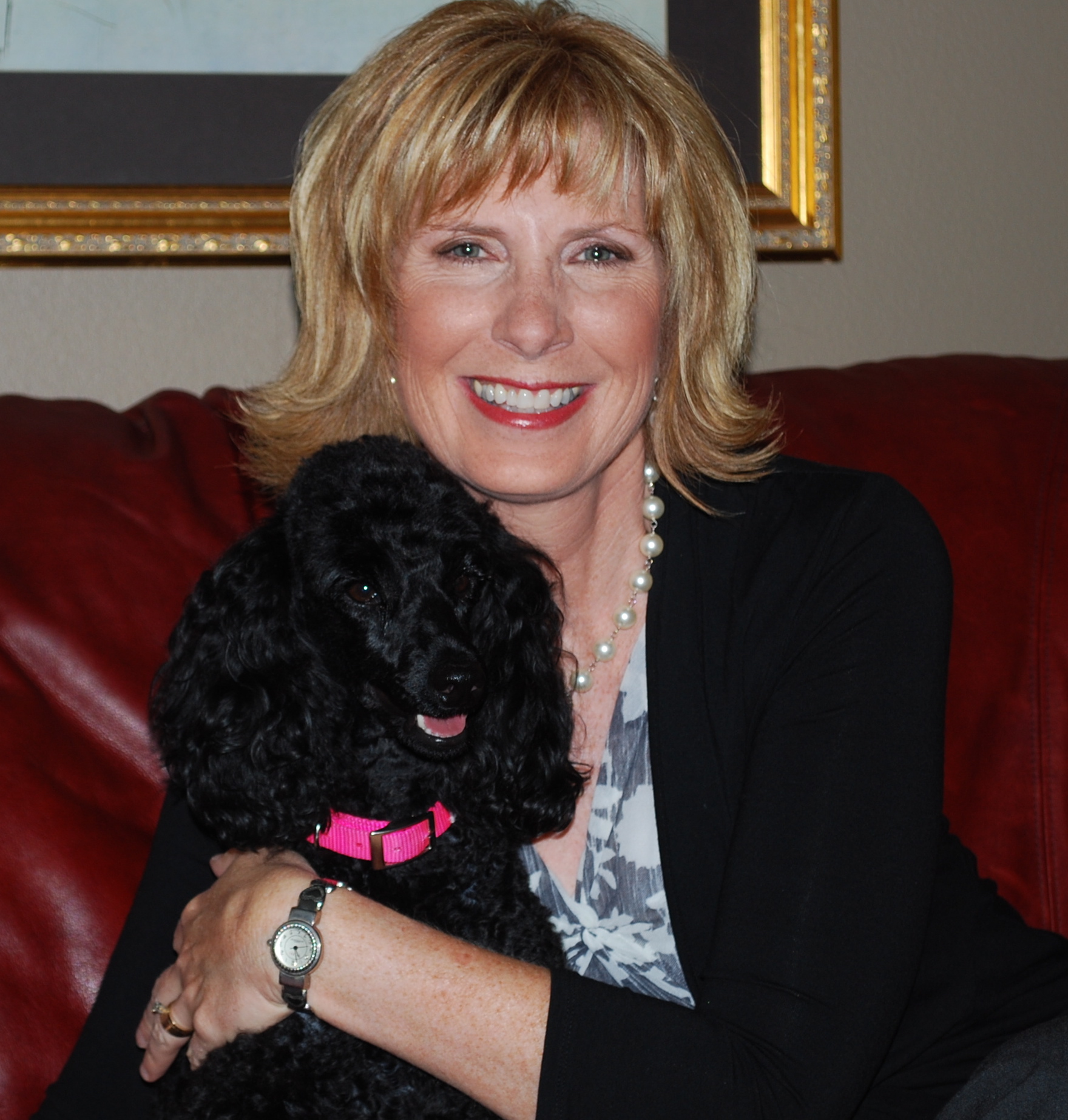
Dr. Linda Mintle continues the conversation with Mark Daniels on mindful eating.Listen to Part 2 of this helpful interview.
Blog
-
Part 1: Mindful Eating (Press Pause Before You Eat)
 Do you struggle with eating when you are not hungry?
Do you grab the bag of chips, sit in front of the TV and finish them off without thinking?
Do you eat when you are bored, tired, or want to relax?
Do you eat when you feel happy?Like most of us, we eat because food is abundant and it takes good. But we are not eating with intention. Instead, we mindlessly put food in our mouths and then feel bad later when the pounds creep up. Dr. Linda has a helpful 3 part interview with Mark Daniels that will help you become a mindful eater. Based on her book, Press Pause Before You Eat, she shares the secrets to becoming a mindful eater. Here is part 1. Dr. Mintle 1
-
Dogs and Kids: Keeping everyone safe
 Experienced mom and dog behavior consultant, Jennifer Shryock, gives 10 helpful tips on what to do when children visit your home and you have a dog. I thought this was worth passing along
- Plan ahead: Will you introduce the child and dog. How will you do it?
- Is the child fearful of dogs? This is important to know.
- Have a place for your dog to safely have quiet time away from the children. Crate, yard, gated off area that the kids are not going to disturb him.
- ADULT SUPERVISION NO MATTER WHAT when the dog is around children. If an adult is not there to defer to when a dog is stressed, then he will defer to his natural responses to stress.
- If your dog is not comfortable with kids, then respect that and get help from a dog behavior consultant to work on helping him be more comfortable. It’s okay to put doggie away. When in doubt leave him out.
- If it’s a doggy home then have a kid zone! This is a place the dog can not come in without an adult. It is the kids play space that is completely dog free.
- If there are multiple dogs in the home then consider only allowing one out with you at a time.
- When your child visits a home with a dog be sure to ask the rules and safety measures the parents have in place.
- Trust your gut. Follow your instincts. If it feels unsafe….it most likely is. Do not wait to find out.
- Never allow children to play in a yard unsupervised if a dog is in the yard.
-
Coping WIth Stress
Successful coping with stress involves using the resources you have. First, identify your resources. What do you have available to help you (think about tangible things–support, money, time, power, status, influence- -and those more internal things like faith in God, confidence, patience, prayer, etc.)? How will you use what’s available? What strengths do you have that will help the situation? This varies from person to person.
Second, use a coping strategy. Basically there are two major coping strategies: 1) Take direct action to change the stressful situation 2) Rethink the situation. Usually this involves coming to terms with the positive side of stress- -what can you learn and how can you grow? A combination of both strategies can be used as well.
Here’s an example. Debbie was constantly mad at the critical nature of her stepfather. Debbie was an adult living at home with her mother when her mother remarried. Debbie never liked the stepfather because he rarely had a kind word. Most of his comments were critical and demeaning. Debbie was stressed living at home. She couldn’t stand the stepfather’s constant complaints.
Debbie could do a number of things based on the strategies above. She could directly talk to her stepfather about his behavior. She didn’t think this would change things. She could move out. After all, she was an adult and her mother made the choice to marry this guy. If Debbie didn’t like his behavior, she could get her own place.
The situation actually prompted Debbie to rethink her growing dependency on mom. While she wasn’t fond of the new step-dad, his presence made her realize her need for more independence.
In Debbie’s case, she acted (moved out), and chose to rethink her situation (she needed more independence). She chose not to let the stress continue to build. Instead she made changes and used her resources to move out.
Most people learn coping strategies from their families. They watch how family members handle times of stress and model their behavior. The good news is that with help, you can learn new ways to cope. If you have seen dysfunctional coping styles among your family, you are not destined to do the same. Just recognize that those strategies don’t work, and new behavior and thinking is needed.